UTM Source vs Medium for Every Ad Platform (Cheat Sheet)
Every marketer walks into the same ambush eventually. You are tagging a Facebook ad at some ugly hour and your hand freezes over the keyboard. Is Facebook the source or the medium? Is it social, paid_social, or cpc? Do Instagram ads count as a different beast or the same one? Guess wrong and your paid traffic slinks off into the wrong bucket in Google Analytics, and by the time you notice, your channel report reads like a ransom note written by three different people.
The confusion is real. The rule underneath it is not complicated once somebody says it out loud. So here it is, out loud, followed by a cheat sheet you can nail to the wall for every platform you touch.
The one rule: source is where, medium is how
utm_source is the specific place the click crawled out of: the platform or product. Google, Facebook, LinkedIn, your newsletter.
utm_medium is the type of traffic, not the brand name. Was it a paid search click, a paid social ad, an organic post, an email? This is the one Google Analytics actually uses to sort your world into channels, which means it matters more than the nervous part of your brain is telling you.
So Facebook is always the source. Whether the medium is paid_social or social comes down to one question: did you pay for the placement or not? That single fork in the road, paid versus organic, is where most teams drive straight into the ditch.
Why the medium runs your whole GA4 report
GA4 sorts traffic into default channel groups based mostly on the medium you hand it. A few of the rules of the road:
| If utm_medium is… | GA4 files it under… |
|---|---|
cpc, ppc, paidsearch | Paid Search |
paid_social | Paid Social |
display, cpm, banner | Display |
social | Organic Social |
email | |
affiliate | Affiliates |
This is the whole reason paid_social earns its keep. Tag a Facebook ad as plain socialand GA4 dumps your ad budget in the same barrel as your free organic posts, and now you cannot tell what the money did versus what the intern's meme did. Tag it paid_social and it marches straight into Paid Social, clean and accountable, exactly where a paid dollar belongs.
The cheat sheet: source and medium for every platform
Copy it. Steal it. The magic is not that these exact values were handed down on stone tablets, it is that you and every last person on your team use the same ones every single time.
| Placement | utm_source | utm_medium |
|---|---|---|
| Google Search ad | cpc | |
| Google Display ad | display | |
| YouTube ad | youtube | cpc |
| Microsoft / Bing Search ad | bing | cpc |
| Facebook ad | paid_social | |
| Instagram ad | paid_social | |
| Facebook organic post | social | |
| Instagram organic post or bio | social | |
| LinkedIn ad | paid_social | |
| LinkedIn organic post | social | |
| TikTok ad | tiktok | paid_social |
| TikTok organic | tiktok | social |
| X (Twitter) ad | x | paid_social |
| Pinterest ad | paid_social | |
| Reddit ad | paid_social | |
| Email newsletter | newsletter | |
| Email promo or blast | ||
| SMS campaign | sms | sms |
| Affiliate or partner link | partner | affiliate |
| QR code or print | qr | offline |
A word on Meta and its cross-placement madness
Meta ads love to run across Facebook and Instagram at once, and that is the exact spot where people seize up. You have two clean escape routes. Split by platform if you want to compare the two (facebook vs instagram as the source, both paid_social), or treat Meta as one paid channel with a single source and be done. Either works. The crime is doing both on different days, so half your Meta spend swears it came from facebook and the other half insists on meta, and neither will look you in the eye.
The mistakes that cause most of the wreckage
- Shoving the platform into the medium.
utm_medium=facebooktells GA4 nothing about the channel. The medium is the type of traffic, not the logo. - Using social for paid ads. It buries your ad money under a pile of free posts. Paid gets
paid_social. - Spelling one medium three ways.
paidsocial,paid-social, andpaid_socialare three separate channels as far as GA4 is concerned. Pick one and hold the line. - Letting everyone freelance. The cure is not a longer memo. It is a shared list people pick from instead of typing.
How to make this run on autopilot
The reason this never stops being confusing is that it lives in the soft tissue of human memory, which fails at the worst possible moment. So take it out of your head. In UTMBuilder you set your approved sources and mediums once and start from a template for each platform, so the right paid_social or cpc is already sitting in the box and nobody has to gamble. That is how a cheat sheet stops being another doc nobody opens and starts being the way the work actually gets done.
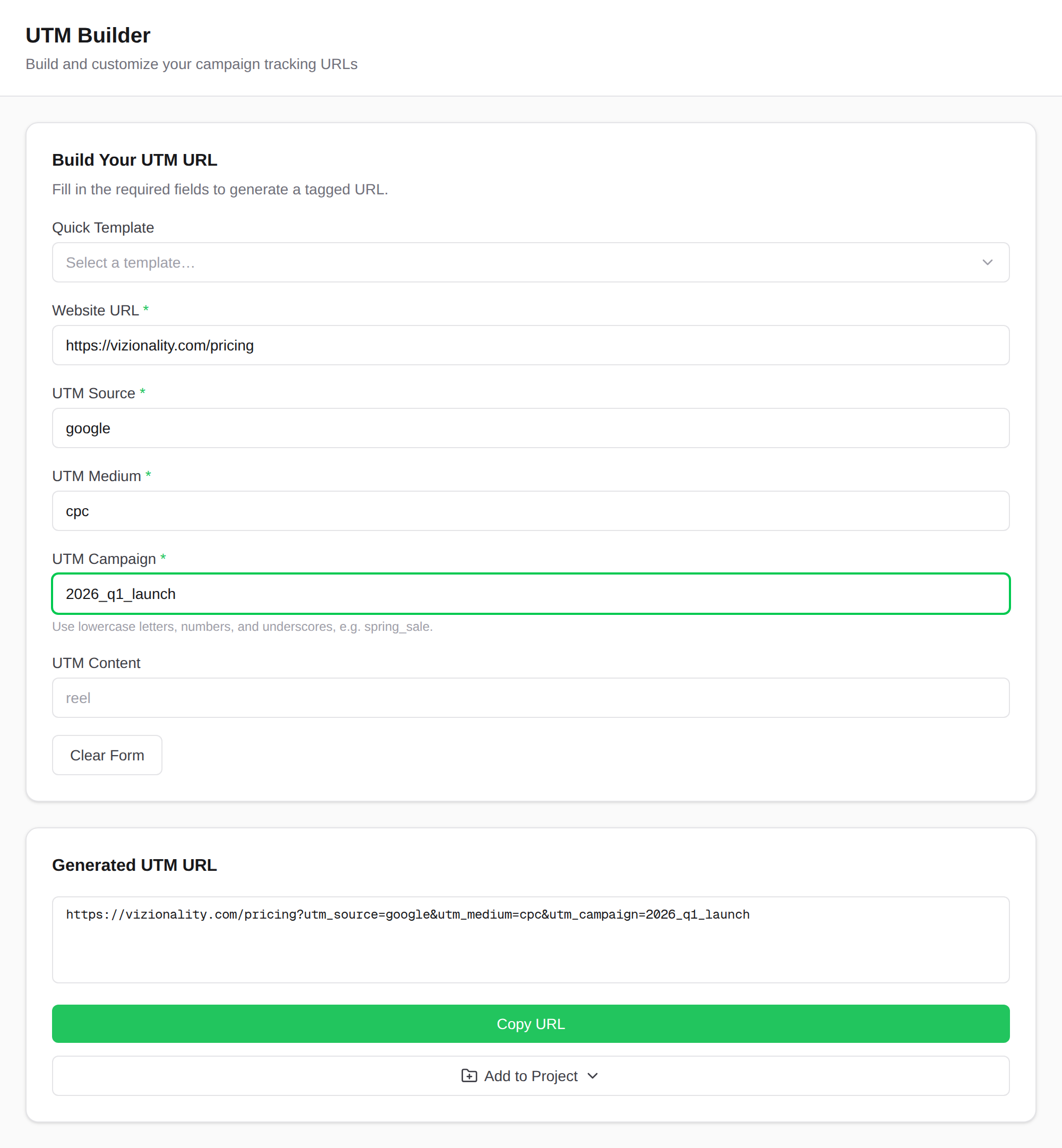
Build clean UTM links in seconds
Set your sources, mediums, and campaign names once, then generate consistent, correctly encoded links, one at a time or in bulk.
Start building freeFrequently asked questions
- Should the ad platform be the source or the medium?
- The platform is the source (google, facebook, linkedin). The medium is the type of traffic: cpc for paid search, paid_social for paid social ads, email for email. Source is where the click came from, medium is how.
- What utm_medium should I use for Facebook and Instagram ads?
- Use paid_social. It keeps paid ads in GA4's Paid Social channel, separate from organic posts, which use social. Facebook or Instagram is the source; paid_social is the medium.
- Does the medium I choose affect my GA4 reports?
- Yes. GA4 sorts traffic into default channel groups mostly by the medium. cpc becomes Paid Search, paid_social becomes Paid Social, email becomes Email, and social becomes Organic Social. A wrong medium puts the traffic in the wrong bucket.
- Is it paid_social or paidsocial?
- Use paid_social with an underscore, and use it everywhere. GA4 recognizes paid_social for its Paid Social grouping, and paidsocial or paid-social would count as separate channels. Pick one spelling and never vary it.